

AI Engineering Lab
A free, open program that takes a motivated beginner from a first Python notebook to a governed production lakehouse, by way of retrieval, fine-tuned models, agents, three public clouds, and Databricks.
Six capabilities, refined inside our own production platforms before they ever reach a client system. This is how we build, and what we have built.
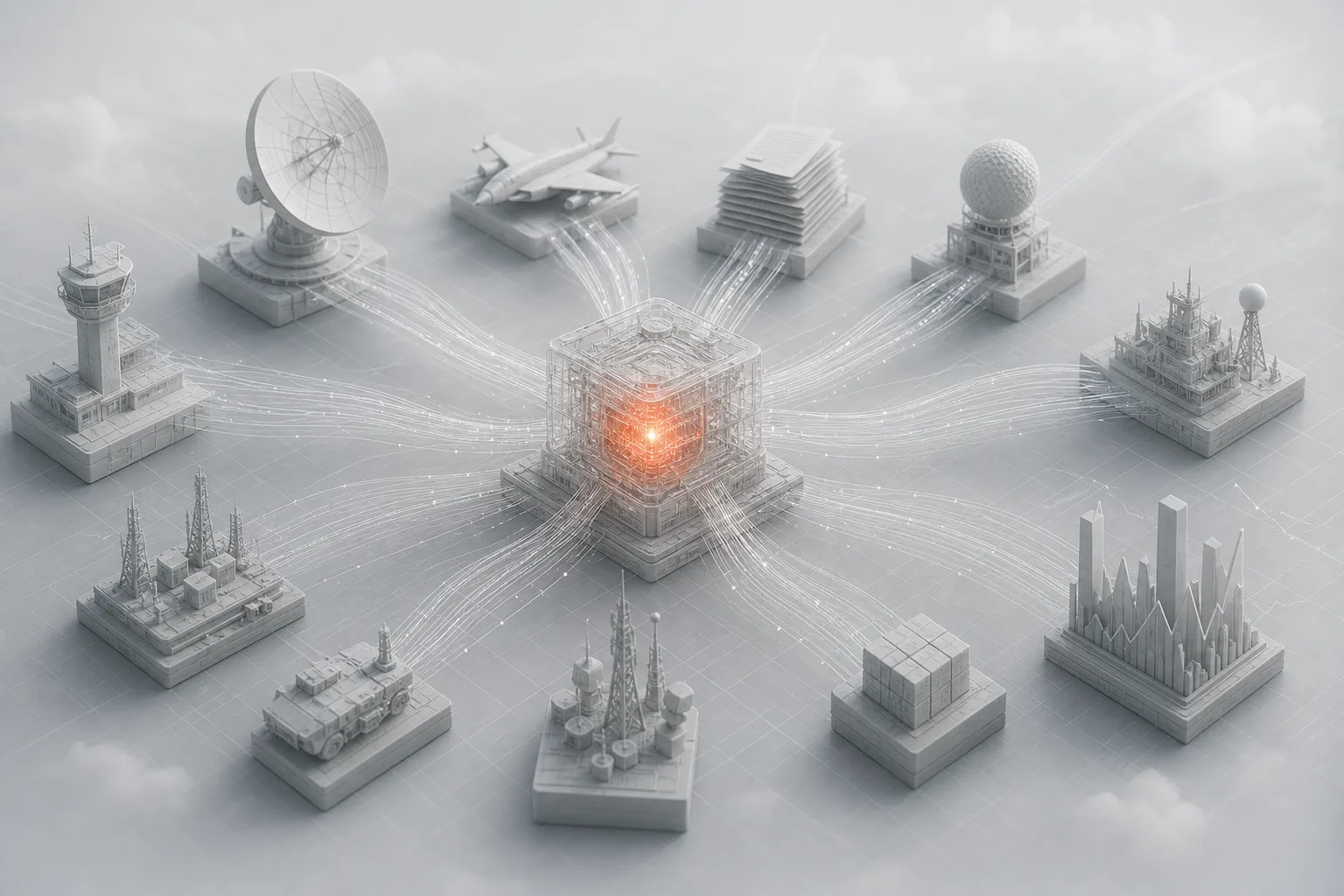
Open ingestion across operational feeds, market data, sensor streams, documents, and public sources, fused into one queryable picture. Streaming or batch, cloud or air-gapped.

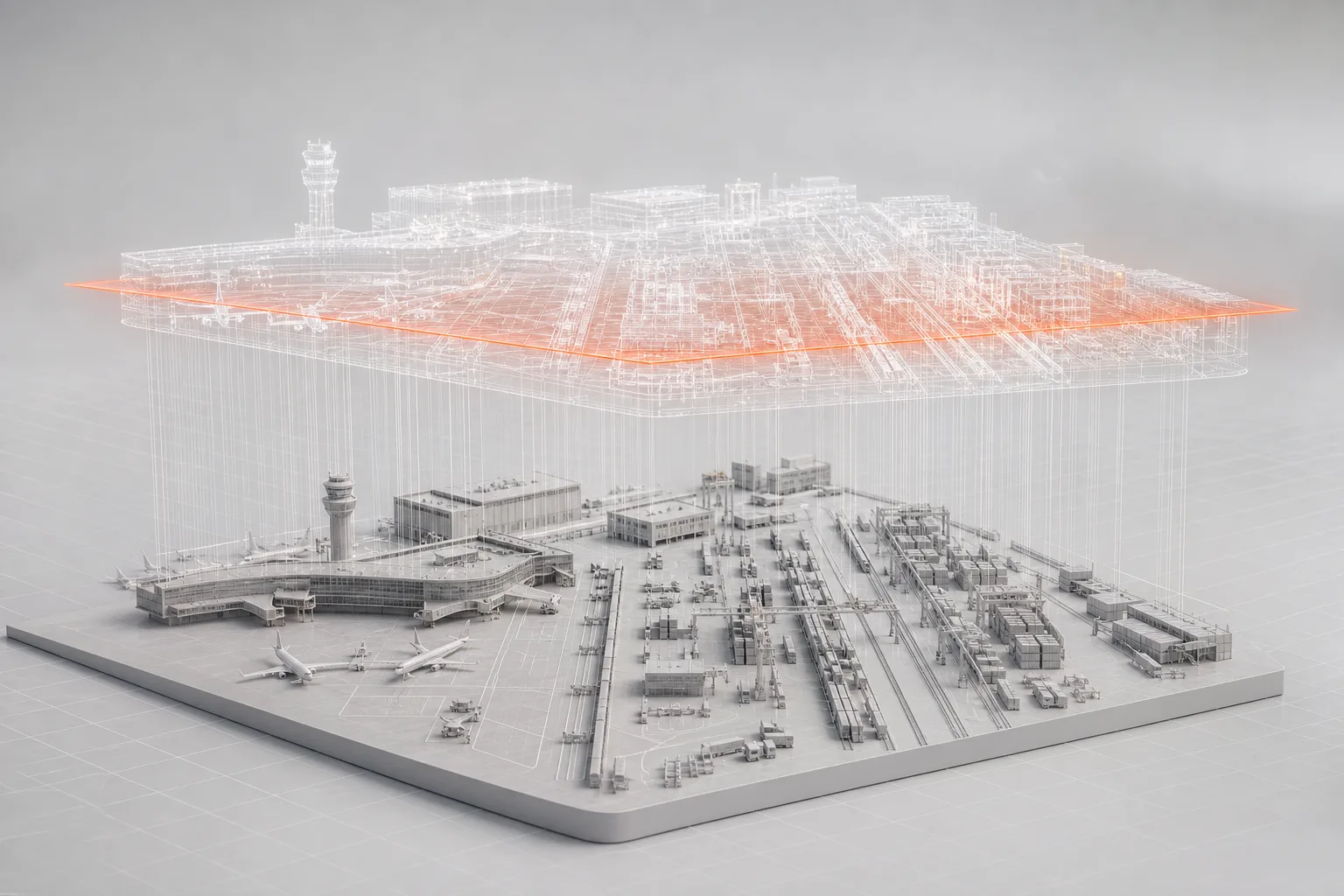
Domain models engineered for industries with intricate temporal and geospatial structure: network graphs, process models, and digital twins that stay synchronized with the real world.

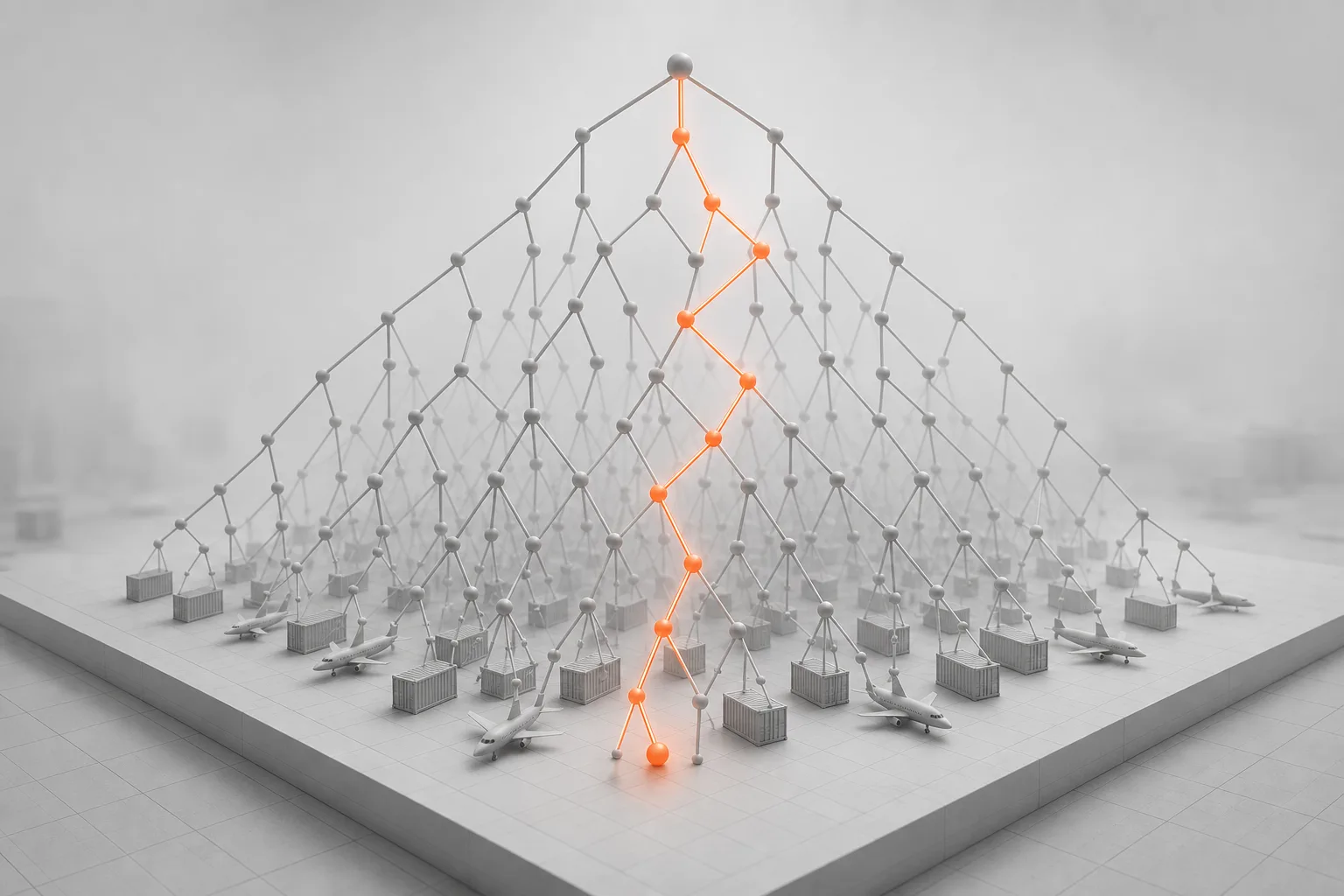
Calibration-first forecasting: ensembles, conformal intervals, and uncertainty reporting. A confident wrong answer is worse than an honest uncertain one.

From predicted futures to evaluated courses of action: generative planning, scenario simulation, and deterministic risk engines that rank alternatives before you commit.

Planner, executor, critic, and referee architectures with deterministic tool use, persistent memory, and evaluation harnesses. Agents, not chatbots.

Hybrid retrieval over domain corpora, running in the cloud or inside sovereign air-gapped environments on local models only.

Every technique earns its place inside one of our platforms before a client sees it. The lab is not a slide library: it is a portfolio of running systems, and each one is a standing experiment in what actually works under production pressure.
A model that cannot state its own uncertainty does not ship. Conformal intervals, ensembles, and live calibration monitoring are the entry requirements, because operators only act on numbers they can trust.
Planner, executor, critic, and referee roles with deterministic tools and approval gates. Autonomy is earned one supervised workflow at a time, with evaluation harnesses watching every role.
The same stack runs in the cloud and fully air-gapped on local models. Environments where data cannot leave the building get the whole capability, not a reduced mode.
Beside the platforms we run in production, we keep a sharper habit: an open program of structured evaluations and working experiments on the AI we all depend on.
Four kinds of work carry the program. Every study is numbered in sequence, dated, evidence-led, and honest about its limits, and each publishes as much of its source and evidence as its license allows.
Language and domain models tested on real tasks, with exact versions, dated windows, and failure modes on the record.
Tool use, permission boundaries, recovery, and injection resistance, probed under human supervision.
AI tooling put through the work we actually do, with where it helps and where it breaks written down.
Working concepts that push a technique to its edge, published with an honest engineering account, and source where the license allows.
Fieldwork records what held and what broke. Training teaches the method underneath it, as open programs anyone can follow without paying, enrolling, or waiting for a cohort.
Each program is a numbered post with a public repository attached, developed by Zorost Intelligence AI Lab and published under MIT. Training / 01 takes a beginner to a production lakehouse in 24 weeks, and its 24 weeks are browsable at zorost.github.io/AI-Engineering-Lab.
A free, open program that takes a motivated beginner from a first Python notebook to a governed production lakehouse, by way of retrieval, fine-tuned models, agents, three public clouds, and Databricks.
We don't pitch slide decks. We show you what we've already built in your domain, then engineer what your mission requires.